

Trauma therapy for women and teens in Denver
True North: Healing After Trauma

Trauma Therapy for Women and Teens
Healing your mind, body, and nervous system after trauma
If you’ve lived through something painful—whether a single event or years of chronic stress—you may feel like your nervous system never got the message that it’s safe now. You might catch yourself constantly bracing for the next bad thing, feeling disconnected from your body, or wondering why you can’t just “move on.”
At True North Therapy, I help women and teens heal from trauma through compassionate, body-based therapy. Together, we’ll help your mind, body, and nervous system feel safe again—so you can rest, reconnect, and live with a greater sense of calm and connection.
What Trauma Can Feel Like

Trauma isn’t only about what happened—it’s also about how your body learned to survive. You might recognize yourself in one or more of these experiences:
- You feel anxious or on edge, even when things seem fine.
- Your mind won’t stop replaying moments or worrying about the future.
- You feel emotionally numb, spaced out, or totally detached.
- You startle easily or find yourself scanning for danger.
- Your body feels tight, heavy, or exhausted no matter how much you rest.
- You struggle with shame or guilt you can’t explain.
- You’re tired of “coping” and want to actually heal.
These are normal responses to abnormal experiences. You are not broken- you’ve been surviving. Trauma therapy helps your body remember what safety and calm can feel like again.
When the Past Still Lives in the Body

Our nervous system is built to protect us. During trauma, it activates to help us survive. But sometimes, it stays stuck there—like the alarm keeps ringing long after the fire is out. You might live in hyperarousal (anxiety, irritability, tension) or shutdown (fatigue, numbness, disconnection). Either way, it’s your body saying, “I’m still trying to keep you safe.” Through Somatic Experiencing, Brainspotting, and EMDR, we’ll gently help your body reset. You don’t have to relive the story of what happened; we’ll move slowly and safely, helping you experience relief without overwhelm.

Why Body-Based Healing Works
Many clients come to me after trying talk therapy that helped them understand their trauma intellectually but didn’t create lasting change. That’s because trauma lives in the body.
Body-based therapies work with your nervous system instead of against it. By learning to notice sensations, breath, and subtle shifts, you’ll begin to release what’s been stuck. Over time, your body starts to trust that it’s truly safe again.
This is where transformation happens—not by rehashing pain, but by building new pathways of calm, resilience, and self-compassion.

Women’s Trauma Therapy: Letting Go of Survival Mode
Many women have spent years carrying everyone else’s needs while ignoring their own. You might be the one everyone turns to- the dependable friend, the caretaker, the high achiever. But beneath that strength, you might feel:
- Burned out and emotionally drained
- Unable to rest without guild
- Overwhelmed by constant “shoulds”
- Disconnected from your body, from pleasure, from the ability to experience good
- Afraid that if you stop- stop moving, stop trying, stop pushing, everything will fall apart.
This is trauma, too. It’s what happens when survival mode becomes a way of life.
In therapy, we’ll help you shift from surviving to thriving—learning how to listen to your body’s signals, set boundaries with confidence, and experience rest as something you deserve, not something you have to earn.
Teen Trauma Therapy: Helping Teens Feel Safe Again
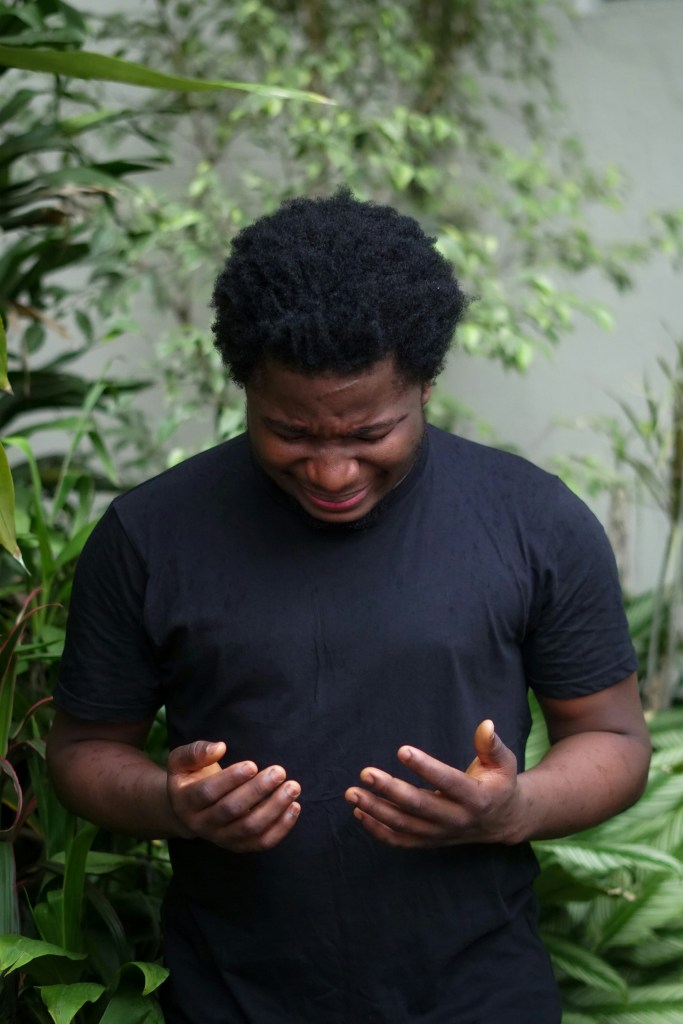
Adolescence is already a time of major change—and when trauma is added to the mix, emotions can feel impossible to manage. When teens experience trauma, it often shows up as anxiety, irritability, perfectionism, or withdrawal. Sometimes they can’t explain what feels wrong — they just know they don’t feel like themselves anymore.
How I help your teen:
- They will learn to understand what’s happening in their bodies and minds.
- They will build capacity for managing strong emotions and physical sensations even when it doesn’t feel good so their nervous system can find safety again.
- They will reconnect with themselves, their friends and family.
- They will learn how to restore their self-esteem and confidence.
Through somatic awareness, grounding skills, and creative expression, teens begin to identify and regulate emotions, manage their worry and stress, and feel safe in their own body and the world. Over time, they learn that they can handle more of what life brings — with steadiness, confidence, and self-trust.

Healing Methods That Work With Your Body
Each person heals differently. That’s why I integrate several evidence-based trauma modalities:
- Somatic Experiencing (SE): Helps you regulate your nervous system by listening to your body’s signals.
- Brainspotting (BSP): Uses eye position to access deep emotional and physiological processes where trauma is stored.
- EMDR (Eye Movement Desensitization and Reprocessing): Helps reprocess painful memories so they lose their emotional charge.
These therapies work together to release trauma safely and effectively.

Meet Winston
My therapy dog-in-training, Winston, is often part of sessions for clients who find comfort in his quiet, calming presence. He reminds us that safety and connection can come in the simplest moments—a soft breath, a gentle nudge, or a tail wag.